Volcanic eruption offers clues to fighting climate change
Hunga Tonga–Hunga Ha'apai explosion reveals how chlorine reactions break down methane
By Gennady Demidov
29 May, 2026
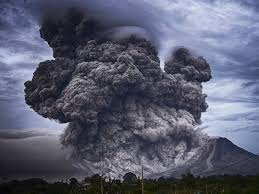
In January 2022, the Hunga Tonga–Hunga Ha'apai volcano in the South Pacific Ocean exploded with the power of several atomic bombs, launching a plume of ash, gas and seawater 55 kilometers into the atmosphere. Researchers report that chemical reactions inside the plume broke down methane, a potent greenhouse gas responsible for roughly one-third of present-day global warming. Satellite data tracked methane destruction through detection of formaldehyde, which forms as methane degrades. The findings, published May 7 in Nature Communications, could help researchers evaluate proposals to accelerate methane removal from the atmosphere.
The eruption occurred 150 meters below sea level, lofting more than a hundred million metric tons of salty water into the atmosphere. Researchers estimate that chlorine-driven reactions destroyed roughly 900 tons of methane per day after the eruption. However, some atmospheric scientists caution against using chlorine for methane removal, noting that chlorine in the stratosphere reacts with ozone about 380 times faster than with methane and has caused severe ozone depletion in the past. Experts say the priority should be reducing methane and CO2 emissions directly rather than pursuing stratospheric intervention strategies.
Reporting incorporates material from a third-party source. Original