Nike's World Cup uniforms use recycled fabric, but won't fix fashion waste
While Nike promotes chemically recycled textiles as the future of sustainable clothing, experts say the technology won't scale enough to address the industry's massive environmental impact.
By Christian Walter
31 May, 2026
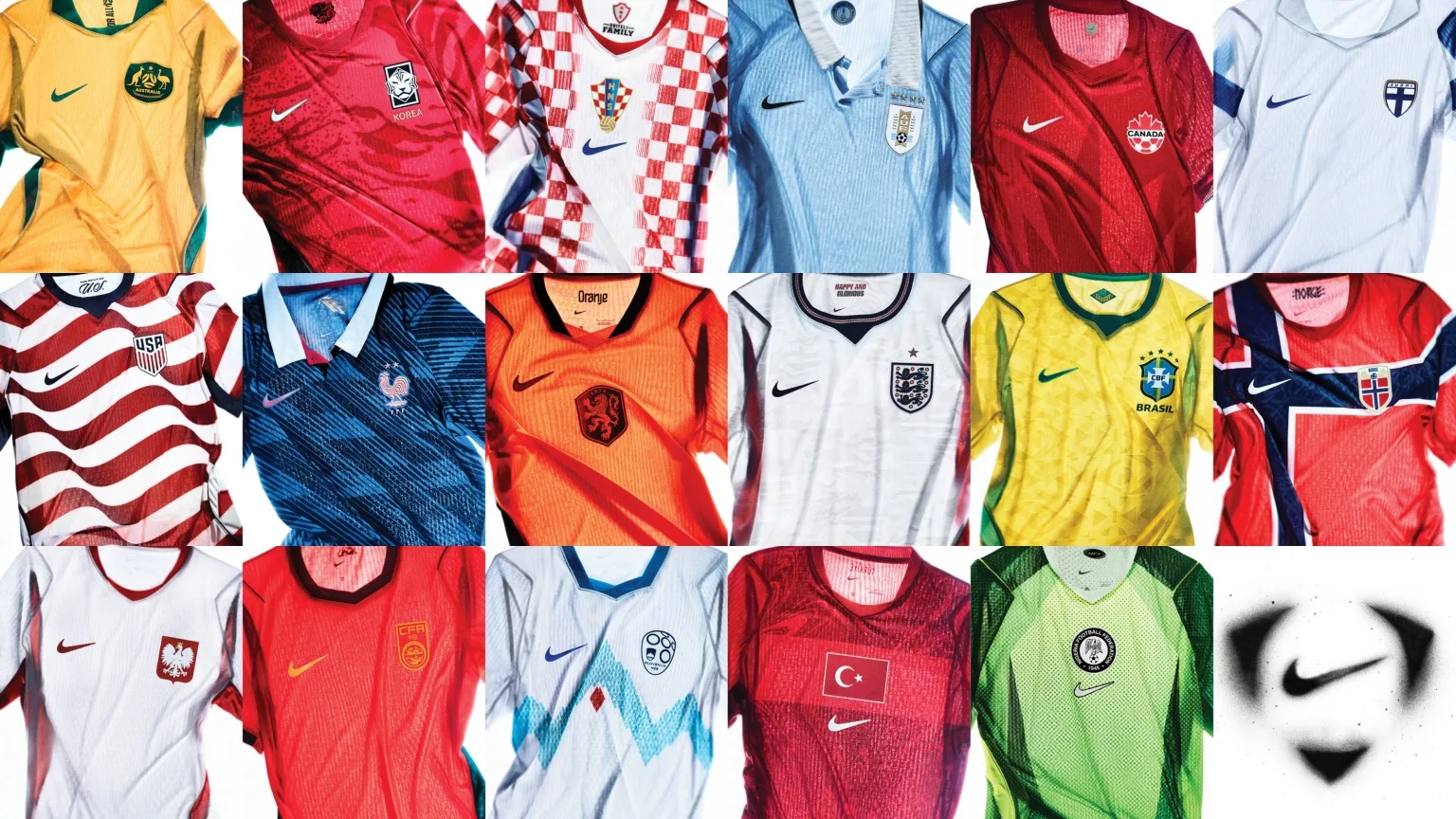
In June, athletes from 16 countries will wear uniforms made from recycled fabric at the World Cup. Nike says it used "advanced chemical recycling" to produce these garments from 100 percent textile waste. The company has suggested this marks a shift toward sustainable fashion, where clothing can be recycled repeatedly.
The reality is more complicated. Chemical recycling is technically possible, but experts don't expect it to reach everyday shoppers anytime soon. Veena Singla, an environmental health researcher at UC San Francisco, said: "Yeah, it's technically possible. But is it going to happen in reality?" She and others studying the technology don't think consumers will soon be able to buy chemically recycled clothes, wear them, then return them for another cycle.
Nike has signed deals with two chemical recycling companies: the Swedish firm Syre and Loop Industries in the US. But neither company has disclosed much about how their technology works or whether it can scale up. Despite growing investment from fashion brands, experts say chemically recycled clothing won't appear on store shelves in meaningful quantities for years.
The fashion industry faces genuine problems. Companies produce over 100 billion articles of clothing each year. These clothes generate up to 10 percent of the world's greenhouse gas emissions and create vast waste—most textiles end up in landfills, incinerators, or illegal dump sites in poor countries. Nearly 70 percent of clothes are made from oil-derived fabrics, especially polyester, which is a type of plastic.
Rather than making fewer clothes, Nike and competitors have pledged to recycle more polyester. Chemical recycling emerged as a response to shortcomings in earlier methods. Traditional mechanical recycling shreds and grinds fibers, making them weaker. New fabric made from mechanically recycled material must blend in 70 to 80 percent virgin polyester to prevent pilling and tearing.
A more common strategy involves converting old plastic bottles into new polyester. Patagonia started this approach in the early 1990s, and by 2010 virtually all recycled polyester came from bottles. But companies now face lawsuits and government pressure to keep bottles in bottle-recycling systems instead.
Chemical recycling uses solvents to break fibers down to base chemical units, which can then be spun into new fabric. In theory, this is truly circular—it doesn't need bottles and can turn used polyester shirts into new ones repeatedly without quality loss. Fast-fashion brands including Gap, H&M, and Levi's have signed multiyear deals with chemical recycling startups.
Research does support some claims about the technology. Chemical recycling can produce virgin-quality polyester, and one method called methanolysis can preserve quality through multiple recycling cycles. But major constraints exist. Diana Ferreira, a textile researcher at the University of Minho in Portugal, explained: "If we are dealing with clean, well-sorted, polyester-rich waste streams, chemical recycling can, in principle, produce material with properties comparable to virgin polyester. However, if we are talking about postconsumer textile waste, the situation is much more complex."
Chemical recycling works best with industrial scraps, which are uniform and simple. Used clothes are far messier—they contain cotton, nylon, wool, spandex, acrylics, dyes, chemical coatings, thread, labels, and zippers. All these materials make chemical recycling much harder without careful sorting and repeated chemical treatment to remove contaminants. Singla said: "If we wanted it to work, we would have to have our clothes … be 100 percent polyester, and we'd need to get rid of so many toxic chemicals."
Beth Jensen of the nonprofit Textile Exchange said all recycling methods, including chemical ones, are needed to reduce fashion's fossil fuel dependence. But she agreed that building the infrastructure for companies to collect used clothes and convert them into new apparel is still far away. It remains unclear who will build it—Nike, governments, recyclers, or some combination.
Even if the industry reaches optimistic targets for chemically recycled polyester by the early 2030s, it would be tiny compared to overall production. More than 169 million metric tons of polyester are projected to be manufactured annually by then. Dionisios Vlachos, a chemical engineering professor at the University of Delaware, called Syre's goal to produce 3 million metric tons by 2032 "too aggressive."
The real solution, according to Nusa Urbancic, CEO of the nonprofit Changing Markets Foundation, is to make less clothing overall. She said: "reverse the trend of fast fashion." Last year, growth in recycled polyester—mostly from bottles—was dwarfed by a much larger increase in fossil fuel-based polyester production.
Urbancic sees chemical recycling as "an excuse to keep producing plastic clothes" and wants the industry to shift away from polyester entirely. The material sheds microfibers and may expose consumers to harmful chemicals.
Nike, Syre, and Loop Industries did not respond to requests for interviews or detailed questions about their work. This lack of transparency is a problem, according to Singla and others. Industry confidentiality makes it hard to know what these companies actually do or whether their efforts will succeed where earlier chemical recycling projects failed.
Loop Industries has never turned a profit since 2010. The Securities and Exchange Commission is investigating the company following a 2020 report accusing it of misrepresenting its technology to regulators and investors. In 2022, Loop settled a class-action lawsuit over similar accusations. Syre plans to build a "gigascale" factory in Vietnam but has not explained how it will process used clothes in a country that bans importing used apparel.
Singla concluded: "It remains to be seen whether [Nike's announcement] amounts to anything." For now, chemically recycled polyester appears limited to specialty items like World Cup uniforms. This story was originally published by Grist and is reproduced as part of the Climate Desk collaboration.
Reporting incorporates material from a third-party source. Original