UAE plans second oil pipeline to bypass Hormuz strait by 2027
The Emirates will double its pipeline export capacity as a blockade of the vital waterway disrupts global energy supplies.
By Chris J. Dawson
15 May, 2026
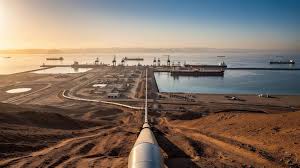
The United Arab Emirates announced it will build a second oil pipeline bypassing the strait of Hormuz by 2027. The move aims to protect crude exports from disruption as the vital waterway faces an 11-week blockade. Sheikh Khaled bin Mohamed bin Zayed Al Nahyan, Abu Dhabi's crown prince, directed the state oil company to fast-track the previously undisclosed project.
The strait of Hormuz normally carries 20% of the world's seaborne oil and gas. Iran blocked tankers through the waterway after US and Israeli attacks on 28 February, sending energy prices soaring globally and damaging Gulf economies. The new pipeline will carry oil from the UAE to the port of Fujairah on the Gulf of Oman, avoiding the narrow passage between Iranian and Omani territory.
The planned pipeline would double capacity on the existing Habshan-Fujairah route, which currently transports up to 1.8 million barrels a day. The UAE and Saudi Arabia are the only Gulf producers with pipelines that export crude outside the strait. The existing pipeline has proved vital for the UAE's oil exports since the blockade began.
The UAE left the OPEC oil cartel last month after 60 years of membership, signalling a rift with Saudi Arabia, the group's leader. The departure allows the UAE to pump more oil than OPEC quotas would allow. A second pipeline means the country can expand exports even if the conflict lasts longer or fails to fully restore shipping through the strait. The exact capacity of the new pipeline remains undisclosed, though doubling current capacity would reach 3.6 million barrels a day.
The decision reflects long-standing tensions between Abu Dhabi and Riyadh. Saudi Arabia favours strict production quotas to keep oil prices high for its economy, while the UAE seeks to increase output. For comparison, Saudi Arabia can transport roughly 7 million barrels a day from its eastern oilfields to the Red Sea port of Yanbu, exporting about 5 million barrels daily.
Reporting incorporates material from a third-party source. Original