Trump says Iran is delaying peace talks ahead of U.S. elections
The president accused Tehran of stalling negotiations while his administration faces pressure over fuel prices and mixed messaging on the conflict.
By Vitoria Rocha
28 May, 2026
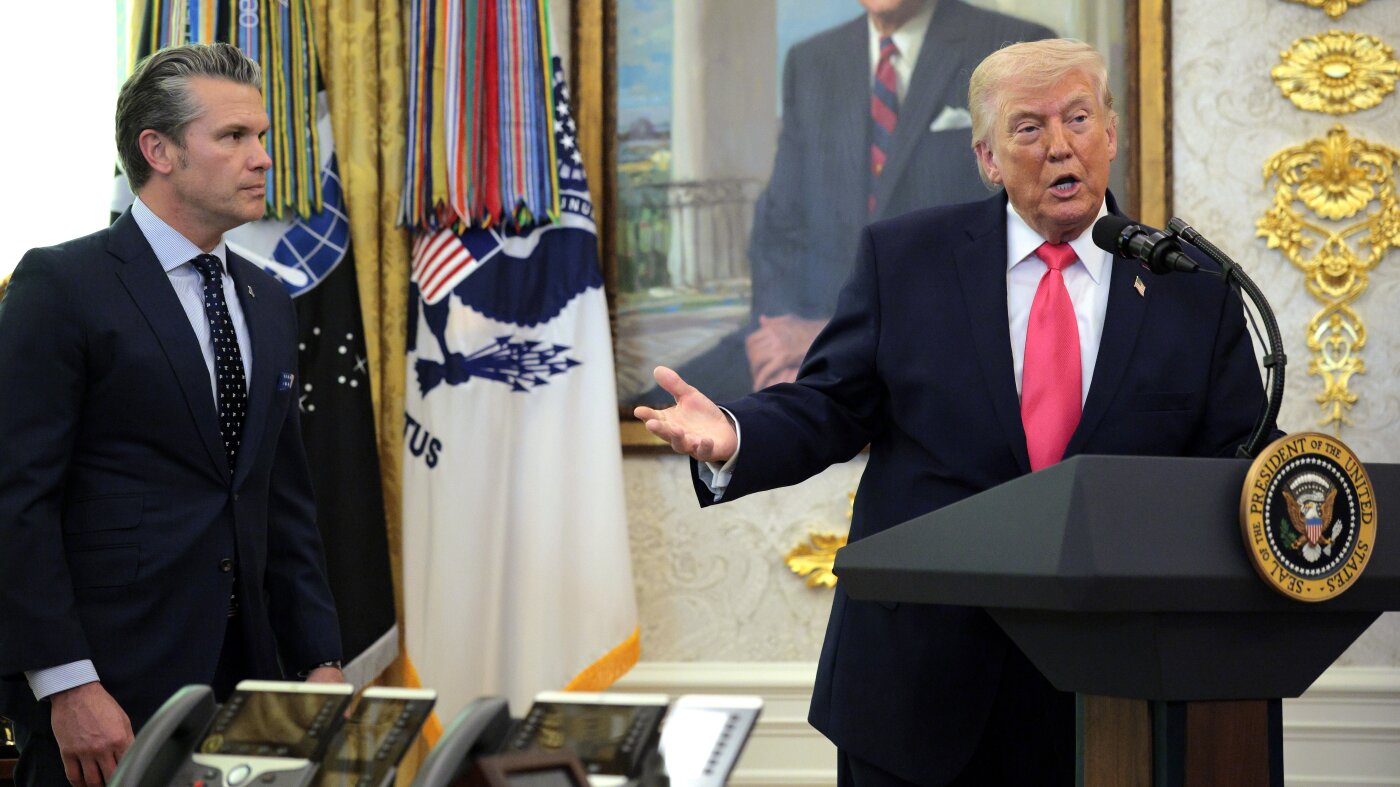
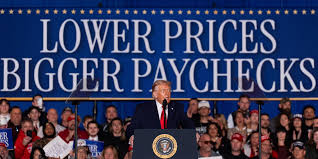
U.S. President Donald Trump accused Iran on Wednesday of deliberately delaying peace negotiations. He suggested Iran believed it could outlast him until the midterm elections forced the White House to compromise. "They thought they were going to outwait me," Trump said during a televised cabinet meeting.
Republicans worry that rising fuel prices tied to the Iran conflict could cost the party control of Congress in November. Trump dismissed these concerns, saying on Wednesday, "I don't care about the midterms." He expressed optimism that a deal was close.
Trump stated that Iran "want[s] very much to make a deal" but "so far, they haven't gotten there." He added: "We're not satisfied with it, but we will be. Either that, or we'll have to just finish the job." The day before, U.S. forces conducted what they called "self-defense" strikes on southern Iran, leading Tehran to accuse Washington of breaking a fragile cease-fire.
U.S. Secretary of State Marco Rubio said on Wednesday that "diplomacy is always the first option" in ending the conflict. At the same time, Trump claimed Iran is "negotiating on fumes." Experts warn this mixed messaging—combined with continued U.S. threats of military action—could undermine the peace process.
Two major sticking points remain unresolved: Iran's nuclear capabilities and the reopening of the Strait of Hormuz. Regional officials and a senior Trump administration figure told The Associated Press on Wednesday that a potential agreement could involve Washington offering Iran sanctions relief in exchange for Tehran surrendering its highly enriched uranium stockpile.
Trump rejected this idea on Wednesday, saying: "We're not talking about any easing of sanctions, no money, no nothing." Analysts believe this denial aims to satisfy Republican senators including Roger Wicker, Lindsey Graham, and Ted Cruz. These lawmakers have argued that such terms favor Iran too much and resemble the nuclear agreement that President Barack Obama negotiated in 2015—a deal Trump abandoned in 2018.
On the Strait of Hormuz, Trump said Wednesday the strategic waterway will "be open to everybody" and that nobody will control it because it lies in international waters. He also suggested the United States would "watch over it," though he provided no details on how.
Separately, Israeli forces killed the new military leader of Hamas this week. Hamas confirmed on Wednesday that Israeli strikes on a Gaza City market on Tuesday killed at least five people, including Hamas commander Mohammed Odeh, and injured 12 others. Israeli Defense Minister Israel Katz called Odeh "one of the architects" of Hamas's October 7, 2023, attack on Israel.
Along Israel's northern border, the country's military declared on Wednesday that all areas south of Lebanon's Zahrani River are "combat zones." Military leaders warned residents to leave their homes to avoid Israel's use of "extreme force" against Hezbollah. This announcement followed recent signals from Prime Minister Benjamin Netanyahu that Israel plans to escalate operations against the Iranian-backed group.
Experts note that Israel's military actions in Gaza and Lebanon could damage U.S. peace negotiations with Iran. Tehran previously demanded that any cease-fire in Lebanon be included in a U.S.-Iran peace agreement—a condition both Israel and the United States have rejected.
Reporting incorporates material from a third-party source. Original