Affordability concerns dominate U.S. politics heading into 2024
Economic anxiety over living costs persists among American voters regardless of fuel price swings, posing challenges for both major parties.
By Reece Mason
29 May, 2026
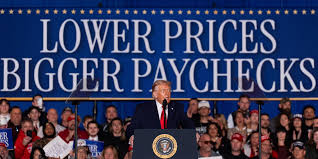
Affordability has become a dominant issue in American politics, and it shows no sign of fading soon. Even if energy markets stabilize and gas prices drop, many voters remain worried about their ability to afford basic necessities.
The concern spans housing, groceries, utilities, and transportation. These everyday costs have risen significantly, straining household budgets across income levels. Voters consistently rank affordability as a top concern when asked about their priorities.
Democrats face particular pressure on this issue. The party in power often bears responsibility for economic conditions in voters' minds, fairly or not. Party strategists are searching for concrete solutions to address public anxiety about the cost of living.
Simply waiting for commodity prices to improve may not solve the political problem. Even if oil flows more freely through the Strait of Hormuz and gas prices fall at the pump, underlying concerns about wages, rents, and food costs could persist. Voters' sense of economic hardship does not always track directly with headline inflation numbers.
Both parties recognize that affordability will shape elections and policy debates for years to come. The challenge lies in developing and communicating plans that tangibly improve household finances rather than relying on market forces alone.
Reporting incorporates material from a third-party source. Original