Starmer defends government record as Blair criticises lack of coherent plan
The Prime Minister rejected former Labour leader Tony Blair's assessment that the government has no worked-out policy direction, citing economic growth and falling NHS waiting times.
By Rosie Kent
29 May, 2026
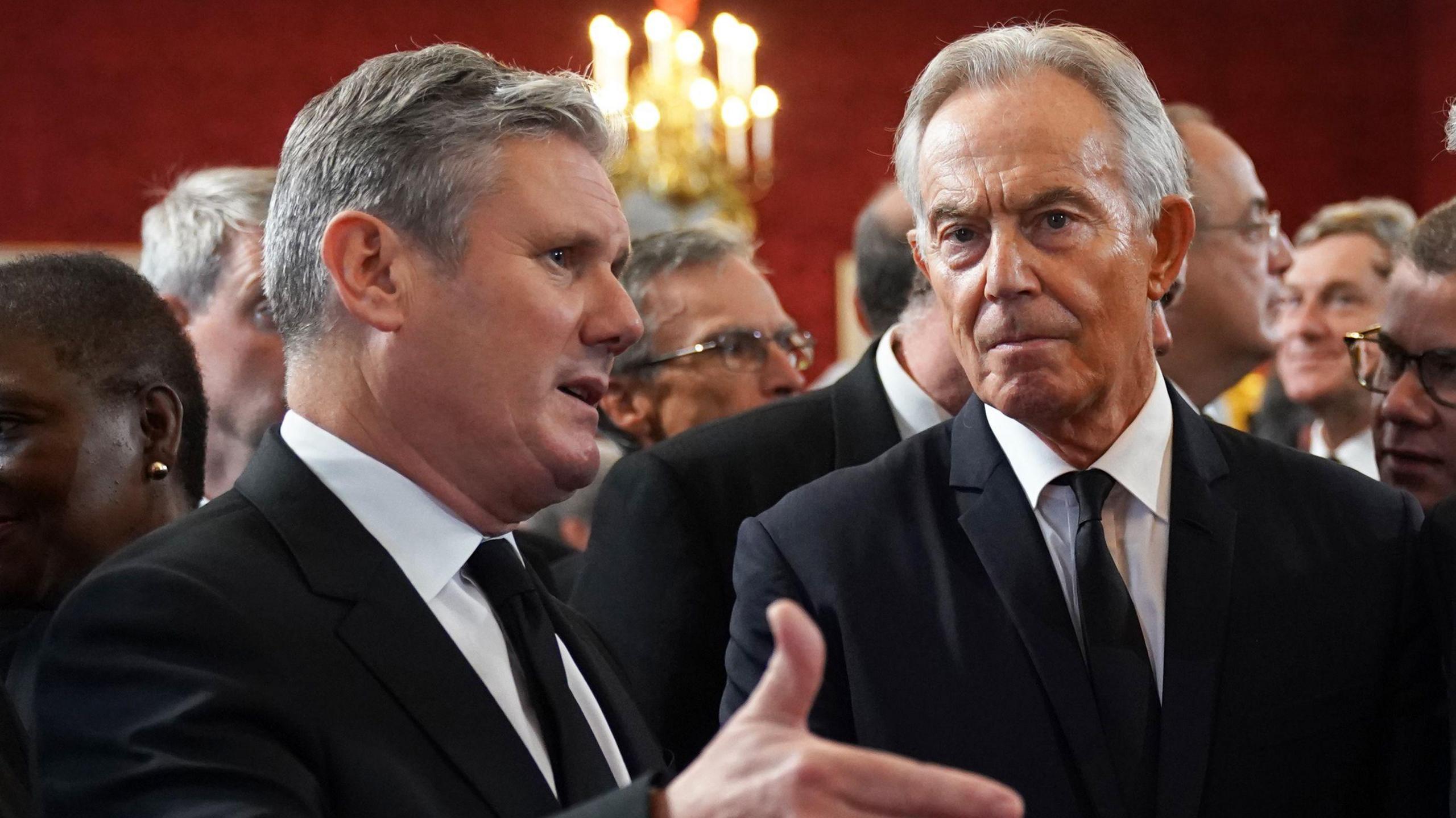
Sir Keir Starmer has rejected criticism from former Prime Minister Sir Tony Blair over the government's policy direction. In a lengthy essay published online, Blair said Labour had no clear plan to guide the country forward in a fast-changing world.
Blair specifically criticised several government decisions. He argued that increases to employers' National Insurance contributions, new workers' rights laws, and plans to phase out oil and gas production had discouraged business investment. He wrote: "It is because we don't have a worked-out coherent plan for the country in a fast-changing world and are in the wrong political position from which we can devise one and win a second term."
Starmer responded by saying he agreed with Blair that policy and ideas should be debated. However, he disagreed that the government had made wrong choices. In a lengthy online response, Starmer said the economic situation his government inherited in 2024 was the worst since 1979, far more serious than the circumstances Blair faced when he took office in 1997.
The Prime Minister pointed to several achievements to support his defence. Economic growth figures had been positive. NHS waiting lists had fallen. Migration had dropped. Knife crime had decreased. He argued the UK was performing better than other similar countries economically. On the winter fuel payment cuts that Labour later reversed, Starmer acknowledged this had been a mistake.
Blair, who won three consecutive general elections and served as Prime Minister for a decade, outlined areas where he agreed with current policy. He supported the government's investment in infrastructure, planning system reforms, and moves to reduce trade friction with Europe. But he said other commitments should be abandoned given current economic conditions. He called on Labour to remove parts of net-zero policy "which prioritise clean energy over cheaper energy", speed up welfare reform, and remove obstacles to business.
Starmer's comments come as Labour faces internal pressure. The party won a landslide election victory in 2024, but polling has dropped sharply since. Two senior ministers have resigned in recent weeks. A by-election in Makerfield, scheduled for soon, is being closely watched. Greater Manchester mayor Andy Burnham, the government's candidate there, is expected to challenge Starmer for the party leadership if he wins. Health secretary Wes Streeting, who resigned earlier this month, has also indicated he would run in any future leadership contest. Both have criticised Blair's essay, saying it underestimated the impact of inequality.
When asked whether he would step down, Starmer repeated that he would not "walk away". The government has consistently blamed the difficult financial situation it inherited from the Conservatives, along with international pressures including wars in Ukraine and the Middle East, for many of its decisions. Business groups have argued, however, that government tax rises and new employment laws have discouraged hiring and damaged economic growth.
Reporting incorporates material from a third-party source. Original