Russia's war costs spiral as Ukraine gains ground with drone superiority
Moscow's finance ministry warned in February that war spending could exceed the annual budget by $28 billion, while Ukrainian drone attacks degrade Russian forces and energy revenues.
By Étienne Mainville
29 May, 2026
Russia's finance ministry sounded an urgent warning in February about the mounting cost of war. A letter seen by the Financial Times showed the ministry expected spending to overshoot the budget by at least 2 trillion rubles this year—roughly $28 billion. In a worst-case scenario, that figure could reach 4 trillion rubles.
The budget crisis extends beyond 2024. The ministry projected war-related overspending of 4 trillion rubles for both 2027 and 2028. It asked the government cabinet to freeze trillions of rubles in non-defense spending to cope with the shortfall.
Russia's overall budget deficit has deteriorated sharply. The Kremlin had forecast a deficit of 3.8 trillion rubles for all of 2026. By late April, just four months in, the deficit had already reached 5.9 trillion rubles, according to the Financial Times.
The worsening finances have forced tough measures. Russia's finance ministry asked government agencies to cut non-essential spending by 10 percent. Economic growth has also stalled—the government now expects GDP to rise just 0.4 percent this year, down from a previous estimate of 1.3 percent.
To cover shortfalls, Moscow has tapped its wealth fund reserves, which are shrinking rapidly. High inflation tied to war spending has kept interest rates elevated, raising concerns about a debt crisis among Russian companies and households. Finance Minister Anton Siluanov noted recently that surplus revenues from energy exports in April were largely offset by weak revenues in March.
The Kremlin's financial strain comes as the Ukraine war has shifted dramatically against Russian forces. In February, SpaceX cut off Russian military access to Starlink internet, crippling the ability to launch drones with precision. The same month, Ukraine deployed new drone technologies that let it breach Russian air defenses and strike deep inside Russian territory.
Ukrainian drones have since targeted Russian oil infrastructure, reducing energy revenues further, and disrupted supply lines connecting Russia to occupied territories. Russian troops have become frozen in place, unable to advance. Casualties have soared above 30,000 soldiers monthly, forcing Moscow to offer bigger recruitment incentives and pay larger death benefits.
For the first time since 2023, Ukraine is now gaining more ground than it loses, according to the Institute for the Study of War. The think tank said in a report Monday that "Ukraine's success in blunting Russian advances and reversing Russian gains in some sectors of the line, in tandem with Ukraine's limited reintroduction of elements of tactical mechanized maneuver, may nevertheless mark the beginning of a new phase of the war."
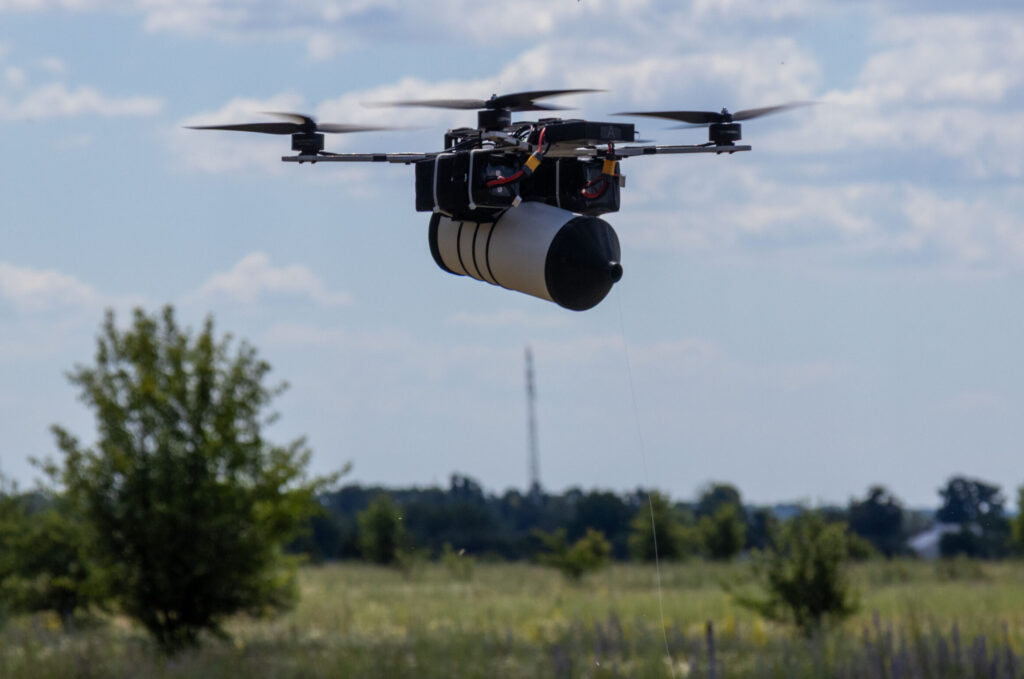
Ukraine has achieved what analysts call "tactical drone supremacy" in some frontline sectors. The country estimates it deploys 1.3 strike drones for every 1 Russian drone. Ukraine's domestic defense industry can manufacture millions of drones per year, allowing it to send thousands of fresh drones to the battlefield each month.
The Institute for the Study of War cited multiple reasons for Ukraine's recent gains: improved operational planning, new battlefield-management software, and different counterattack methods. But drones remain central to the shift. "Ukrainian forces are achieving temporary tactical drone overmatch in some frontline sectors, which is slowing Russian offensive operations by degrading the effectiveness of Russian shaping operations," the institute said.
Reporting incorporates material from a third-party source. Original