New $4 TB test gives results in 30 minutes using a tongue swab
The portable device works without laboratory equipment or special training, offering hope to millions with limited access to health care.
By Alfie Christie
29 May, 2026
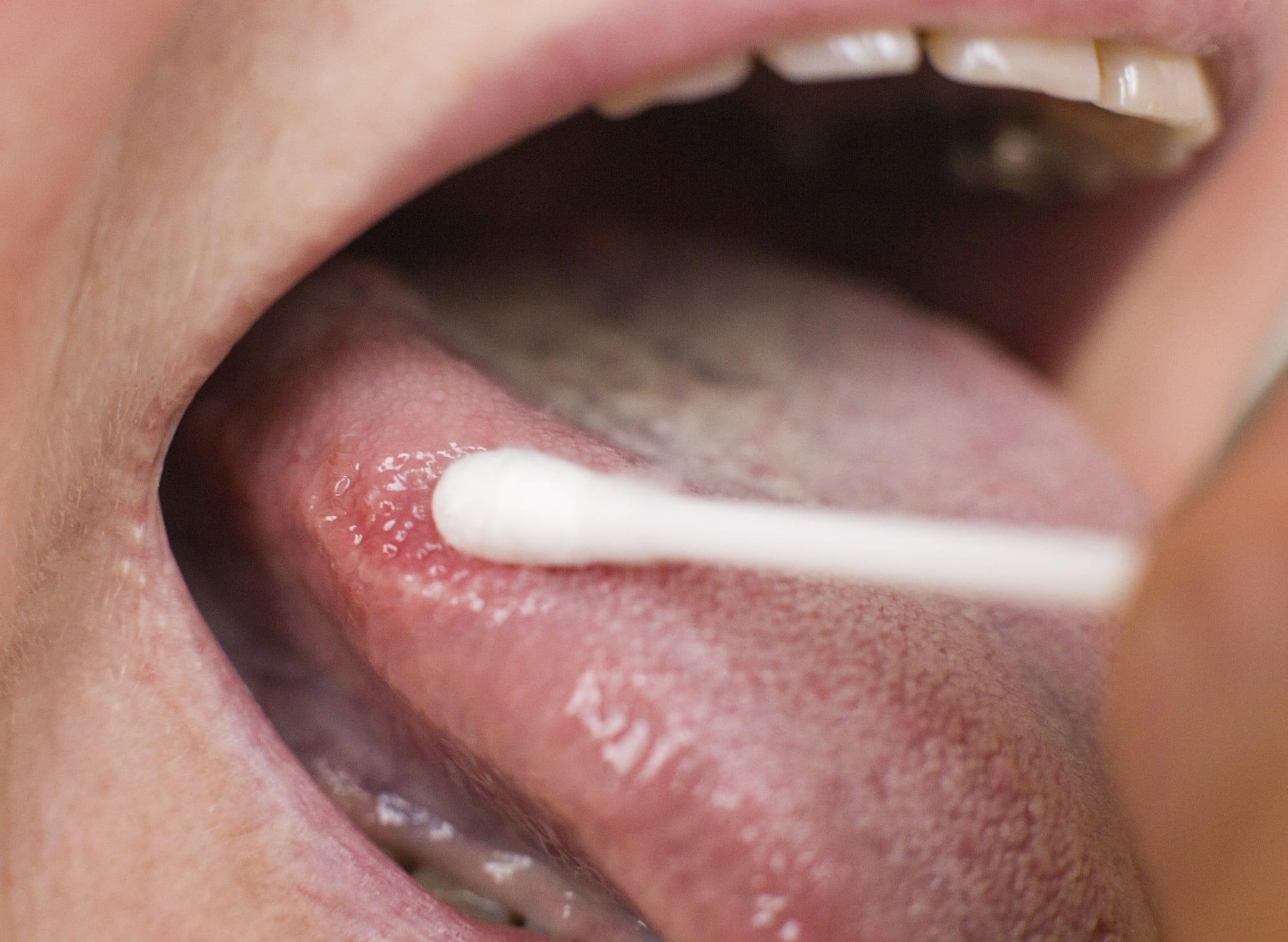
Tuberculosis kills more people than any other infectious disease, yet millions go undiagnosed each year. A new portable device could change that. Researchers announced on April 29 in the New England Journal of Medicine that a $4 test detects TB from tongue swabs in just 30 minutes.
The World Health Organization endorsed the test in March. This marks the first official approval for a TB test that works in community clinics without laboratories or specialist training. Adithya Cattamanchi, a lung doctor at the University of California, Irvine, called it a breakthrough. "Opens a pathway to getting accurate molecular TB testing into the clinics where most people with TB actually show up," he said.
TB can be cured with antibiotics, but the disease affects more than 10 million people yearly. Over one-quarter remain undiagnosed or untreated. The old method, called smear microscopy, has been used for 150 years. It examines phlegm under a microscope to spot TB bacteria. However, at least 1 in 4 people—including children, people with HIV, and elderly patients—cannot produce enough phlegm. The test also misses 40 percent of TB cases.
The new device, called MiniDock MTB, works almost anywhere. Made by Guangzhou-based Pluslife Biotech, it runs on a power bank or wall outlet and costs under $400. A worker collects a tongue swab or phlegm sample, then loads it into the machine. The device spins and heats the sample to release genetic material, then tests for TB bacterial DNA in 12 to 25 minutes. Minimal training is needed to operate it.
Scientists tested the device on 1,380 people aged 12 and older from seven countries with high TB rates. MiniDock MTB correctly identified TB in 86 percent of TB-positive phlegm samples and 80 percent of TB-positive tongue swabs. These results met the World Health Organization's accuracy targets. Performance with phlegm outperformed the old smear microscopy method by 24 percent and matched expensive laboratory tests.
The test does have limits. It works better with phlegm than with tongue swabs. Cattamanchi noted that "accuracy isn't the whole story" because for patients unable to produce phlegm, a tongue swab offers "the difference between getting a test and getting nothing." The device also cannot detect drug-resistant TB, though Pluslife is developing such tests. Sensitivity drops when samples contain few bacteria, which occurs in early disease stages.
Emily MacLean, an epidemiologist at the University of Sydney not involved in the research, explained the challenge. "When there aren't many bacteria present, it is just harder for tests to find a signal," she said. Amira Roess at George Mason University recommends using MiniDock alongside other tests to catch TB early. Cattamanchi and his team are also researching TB detection through blood patterns, proteins, and other compounds that require no airway samples. "Tongue swab testing cannot replace every test," Cattamanchi said, "but it can be a tool that can get the right test to the right person at the right time."
Reporting incorporates material from a third-party source. Original