NASA's Curiosity rover successfully drills and collects rock sample on Mars
After a previous drilling mishap, the rover completed a successful sample collection at a site called Campo Marte, gathering material for analysis.
By Mateusz Kucharski
29 May, 2026
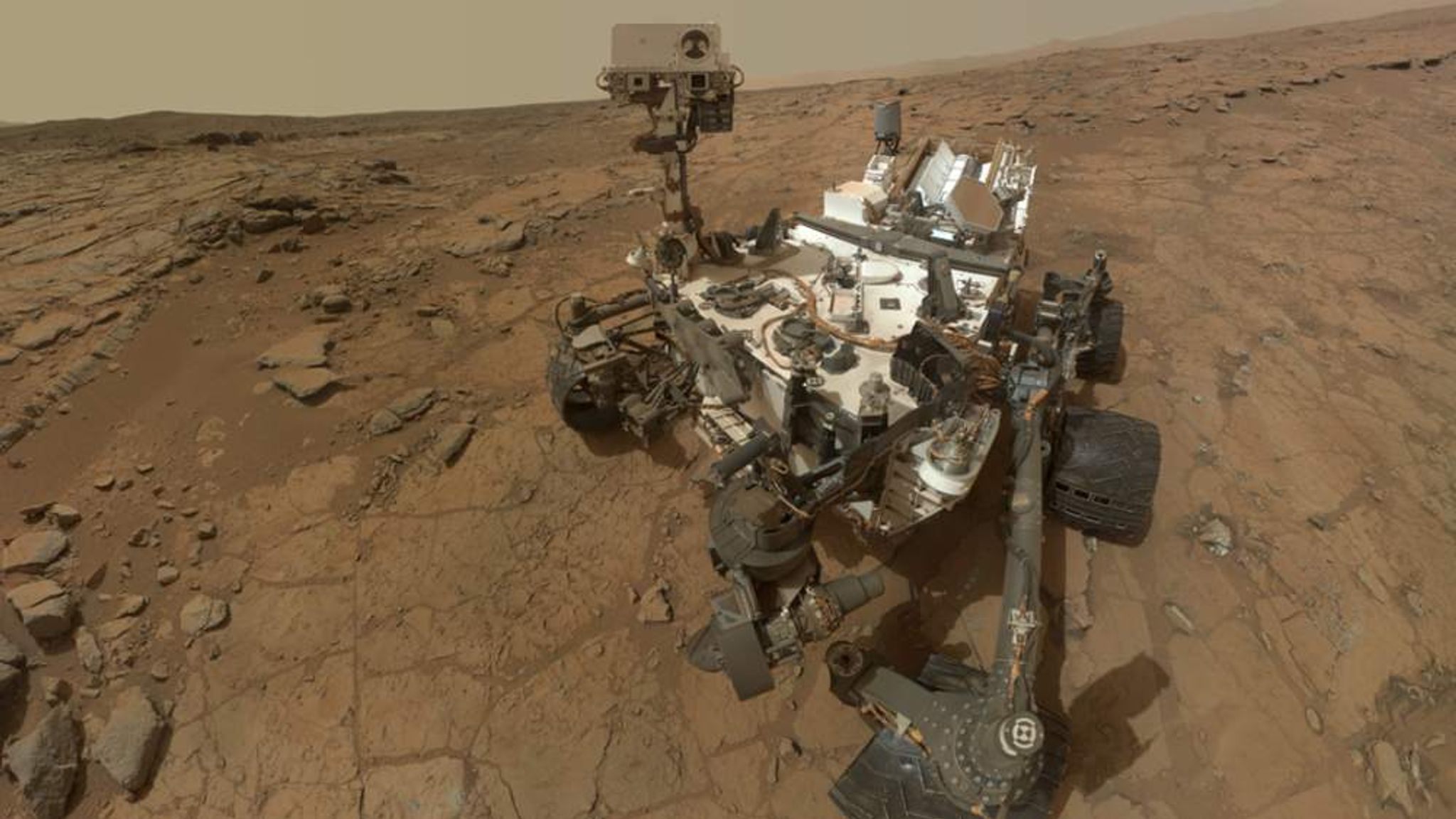
Curiosity, NASA's robotic explorer on Mars, has completed a successful drill operation and collected rock samples for analysis. The rover drilled at a site called Campo Marte during the period from May 22 to May 28, 2026, according to the Mars Science Laboratory Mission Team.
The drilling success is notable because Curiosity encountered problems weeks earlier. When the rover drilled into a rock formation called Atacama, the entire block became stuck to the drill. The team spent time reviewing the data and images to understand what went wrong before attempting another drilling operation.
Scientists chose Campo Marte as the next drilling target because it had the right geological features and was larger than the Atacama block. Abigail Fraeman, Deputy Project Scientist at NASA's Jet Propulsion Laboratory, wrote that the team was pleased to see images showing the drill had successfully retracted from the rock with collected material inside.
After drilling, the team performed standard tests by releasing small amounts of drilled rock powder onto part of the rover. These powder samples, measured in tens of milligrams, will be analyzed by two laboratory instruments inside Curiosity called CheMin and SAM. Fraeman noted that even tiny amounts of powder can reveal detailed information about the composition of Martian rocks and what the planet's climate and conditions were like in the past.
The team delivered one portion of the Campo Marte sample to CheMin for initial analysis on Monday. Once they reviewed those results mid-week, they planned to deliver four additional portions to the SAM instrument for more detailed testing. The rover drilled to a depth of 28 millimeters, or about 1.1 inches, rather than the typical 35 millimeters, which may mean the total sample collected is smaller than usual.
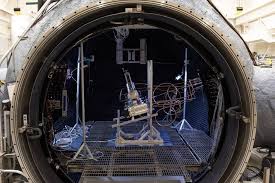
This weekend, the team plans to repeat the powder drop-off test to determine how much sample material remains. Fraeman explained that while engineers test Curiosity's equipment extensively using an identical rover on Earth, watching how the hardware performs on Mars under the planet's unique conditions always provides valuable insights.
Reporting incorporates material from a third-party source. Original