Kavanaugh Backs Racial Justice in Jury Selection Case
Supreme Court's 5-4 decision in Pitchford v. Cain enforces jury discrimination protections based on justice's decades-old legal scholarship
By Reilly Fleming
29 May, 2026
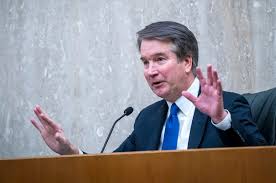
Justice Brett Kavanaugh authored the majority opinion in Pitchford v. Cain, handed down Thursday, implementing a proposal for preventing racism in jury selection that he first proposed in a 1989 Yale Law Journal note written when he was still a law student. The 5-4 decision ruled that in cases involving peremptory challenges—the limited number of jurors attorneys can remove—defense counsel must have an opportunity to argue that a prosecutor's race-neutral reasons for striking a juror were pretextual after the prosecutor asserts those reasons.
In the underlying case, prosecutors in a Mississippi murder case removed four of five potential Black jurors from defendant Terry Pitchford's jury pool, claiming race-neutral reasons such as late arrival to court or family members' criminal histories. However, the trial judge never gave defense counsel a chance to rebut these explanations. Kavanaugh wrote that "after a prosecutor asserts race-neutral reasons for a peremptory strike, the defense counsel must at least have an opportunity to argue that the asserted race-neutral reasons were not the actual reasons—that is, the reasons were pretextual." Justice Neil Gorsuch led a dissent by four fellow Republicans, suggesting the decision could have come out differently if Kavanaugh had not developed this long-standing liberal approach to jury discrimination law before his judicial career.
Reporting incorporates material from a third-party source. Original