Fish discovered hiding inside manta rays in unusual survival tactic
Remoras, small fish that normally attach to larger animals, have been observed diving into manta ray body cavities for the first time.
By Polaris Newsroom
12 May, 2026
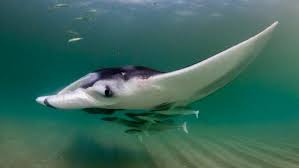
Remoras are small fish famous for hitching rides on larger sea creatures like whales, sharks and turtles. Now researchers have spotted them using an unexpected hiding spot: inside the rear end of a manta ray.
A study published Monday in the journal Ecology and Evolution describes this behavior as "cloacal diving." The research team, led by Catherine Macdonald of the University of Miami, documented seven cases of the behavior between 2010 and 2025. "It does not look like the manta ray likes it," Macdonald said.
Scientists knew remoras sometimes entered the body cavities of whale-sharks. But this marks the first time researchers have recorded the behavior in manta rays. The Marine Megafauna Foundation gathered observations from all three known manta ray species across three separate ocean basins.
In some cases, the remora squeezes so deeply into the manta ray that only the tip of its tail shows. Other times, the ray is too small to fit the whole fish, so half the remora dangles outside like a child playing peekaboo under a blanket. Scientists do not yet understand why remoras use this shelter or how often the behavior happens in the wild.
The spread of observations across multiple ray species and ocean regions suggests cloacal diving may be a widespread strategy among remoras seeking protection from danger.
Reporting incorporates material from a third-party source. Original