Defense Secretary Hegseth faces new congressional questions on Iran war
Lawmakers from both parties will grill Trump's defense chief on the $1.5 trillion budget proposal and the stalled conflict that has disrupted global oil supplies.
By Stephanie P. Shumaker
12 May, 2026
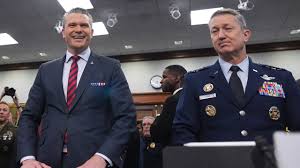
Defense Secretary Pete Hegseth will face questioning from Congress on Tuesday over the Iran war, the 2027 military budget proposal, and broader concerns about the conflict's conduct. The House and Senate defense spending subcommittees plan back-to-back hearings to review the Trump administration's $1.5 trillion military spending plan—the largest allocation on record.
The Iran war has become a political flashpoint. The conflict has stalled in what President Donald Trump called a ceasefire on "massive life support." Both sides have traded fire in recent weeks, with American warships fending off attacks and U.S. forces disabling Iranian-linked oil tankers. Iran has effectively closed the Strait of Hormuz, a shipping lane through which 20% of the world's oil normally passes. The U.S. military has blockaded Iranian ports in response.
The disruption to global energy supplies has raised fuel prices, creating political headaches for Republicans ahead of midterm congressional elections. Trump said Monday he wants to suspend the federal gas tax to help Americans cope with rising costs. He also criticized Iran's latest ceasefire proposal, saying, "I would call it the weakest right now after reading that piece of garbage they sent us." Trump has previously stated that higher fuel costs are justified to prevent Iran from developing nuclear weapons.
Some Republican lawmakers have broken ranks on the war. Senator Susan Collins of Maine, whose reelection bid this year faces uncertainty, voted with Democrats last month to halt the conflict. She told Congress she wants to see a clear strategy for ending the war. Alaska Senator Lisa Murkowski, another Republican on the Senate Appropriations defense subcommittee, has voted against war powers resolutions and called for formal congressional authorization so Americans understand the war's limits and goals.
Hegseth and General Dan Caine, chair of the Joint Chiefs of Staff, testified two weeks ago before the House and Senate Armed Services committees. In those hearings, Hegseth argued that the ceasefire paused a 60-day deadline for congressional approval required under the 1973 War Powers Act. The U.S. and Israel launched the war on February 28, and a ceasefire began April 8. Democrats and some Republicans disputed his reasoning, saying the clock should continue ticking.
The Tuesday hearings will include friendly faces for Hegseth. Senate subcommittee chair Mitch McConnell of Kentucky and Senator Lindsey Graham of South Carolina, the war's biggest congressional supporter, will likely ask sympathetic questions. Hegseth and Caine are expected to request funding for more drones, warships, and missile defense systems that have been depleted during the conflict.
Reporting incorporates material from a third-party source. Original