FIFA's hybrid grass pitches demand complex upkeep for World Cup
Maintaining the blend of natural and artificial turf for global football's biggest tournament requires specialist care and equipment.
By Charlotte Bowe
28 May, 2026
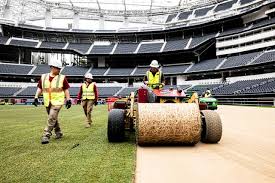
FIFA requires World Cup stadiums to use a specific type of playing surface: a mix of natural grass and artificial fibres woven together. This hybrid pitch has become the standard for football's biggest tournament, but keeping it in top condition poses real challenges.
The blended surface combines the durability of artificial turf with the natural look and feel of grass. However, this combination demands specialist maintenance that differs from caring for either surface alone. Groundskeepers must understand how both materials behave and interact under tournament conditions.
Weather plays a major role in how these pitches perform. Heavy rain, extreme heat, or dry spells can affect the grass growth and the artificial fibres differently. Teams managing World Cup stadiums must monitor conditions closely and adjust their care routines throughout the tournament.
The infrastructure required is substantial. Pitches need sophisticated irrigation systems, drainage networks, and lighting for evening matches. Specialist equipment helps maintain the precise height and density FIFA demands, ensuring fairness for all teams.
Beyond the technical side, staff training matters greatly. Groundskeepers must learn how to address problems unique to hybrid surfaces—from patchy grass to worn artificial fibres. This expertise is essential to guarantee that every match is played on a pitch meeting FIFA's strict standards.
Reporting incorporates material from a third-party source. Original