Trial failure shows value of tumor profiling in brainstem cancer treatment
The BIOMEDE trial did not meet its main goal, but researchers say the study demonstrates how genetic testing and adaptive trial designs can guide future therapies for diffuse intrinsic pontine gliomas.
By Gordon S. Fullmer
12 May, 2026
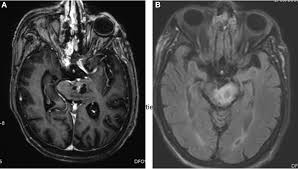
The BIOMEDE trial failed to meet its primary endpoint, according to findings published in Nature Medicine on 12 May 2026. However, experts say the negative result carries important lessons for treating diffuse intrinsic pontine gliomas, a rare and aggressive brainstem cancer that predominantly affects children.
Although the trial did not achieve its main objective, researchers highlight the value of adaptive trial designs. These studies allow researchers to modify their approach as new data emerge, rather than following a fixed plan from start to finish. The BIOMEDE trial also demonstrates the utility of biopsy-informed tumor profiling, a technique that examines genetic mutations in cancer cells to guide which drugs patients receive.
The study provides mechanistic evidence that can direct the development of new therapeutic strategies. By analyzing the genetic makeup of tumors, researchers can better understand why certain treatments work or fail. This knowledge helps inform which drugs to test in future trials and which patients are most likely to benefit from them.
Tumor profiling in this context focuses on identifying H3K27 alterations, specific genetic changes found in many cases of diffuse intrinsic pontine gliomas. Understanding these mutations helps doctors match patients with targeted therapies designed to attack cancer cells carrying those particular genetic faults.
The findings underscore how negative trial results, while disappointing, can still advance medical science. By documenting what does not work and understanding the reasons why, researchers gain insights that shape more effective treatment approaches and patient counseling strategies in the years ahead.
Reporting incorporates material from a third-party source. Original