Iran and US exchange strikes over failed ceasefire talks
Tensions escalate as Trump rejects a compromise deal on the Strait of Hormuz, prompting tit-for-tat military action.
By Nathan Hawdon
28 May, 2026
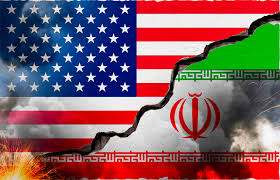
Iran fired a ballistic missile at a US military base in Kuwait on Wednesday, retaliating for American strikes on Iranian drone operations near the Strait of Hormuz. Kuwaiti forces intercepted the missile. The US had earlier shot down five Iranian attack drones and hit a ground control station in the Iranian port city of Bandar Abbas that was preparing to launch a sixth drone, according to US Central Command.
A US official said the American actions were "measured, purely defensive and intended to maintain the ceasefire." The Islamic Revolutionary Guard Corps (IRGC) said it had targeted the US base responsible for the strike in Bandar Abbas and warned that any repeat would bring "a more decisive response", according to the IRGC-affiliated Tasnim news agency. Kuwait condemned Iran's attack and called for an immediate halt to what it described as serious escalation.
The clashes marked the second flare-up in one week and coincided with Eid al-Adha celebrations across the region. The conflict began on 28 February following US and Israeli attacks on Iran. Israel also struck Lebanese targets on Wednesday, hitting infrastructure belonging to the Iranian-backed militant group Hezbollah in the southern city of Tyre and conducting an attack in the capital, Beirut. The Lebanese army said one of its soldiers was killed in an Israeli strike.
President Donald Trump rejected a reported compromise deal that would have restored shipping through the Strait of Hormuz to prewar levels within a month, with Iran and the Gulf state Oman jointly managing traffic. Trump told media at a cabinet meeting on Wednesday that negotiations had not yet satisfied him and that the US would not discuss easing sanctions, a key Iranian demand. "No country will have control over the strait," Trump said. "It's international waters, and Oman will behave just like everybody else or we'll have to blow them up. They understand that, they'll be fine."
Oman, a long-standing US military and economic partner, has made no public statement about joint control of the strait with Iran, though it has said it has discussed freedom of navigation with Tehran. Iran expressed solidarity with Oman after what it called "US officials' threats." The Iranian Revolutionary Guards used the moment to assert control over the waterway, saying they had stopped two vessels and allowed 26 to pass in the previous 24 hours—far below the more than 100 ships that passed daily before the war.
Iran's deputy national security secretary, Ali Bagheri Kani, told Tasnim that Tehran is insisting the United States release frozen Iranian funds as part of any deal. Iran is also seeking an end to a US blockade on its ports and the lifting of sanctions. On Wednesday, the US Treasury Department extended sanctions by adding Iran's Persian Gulf Strait Authority, which was set up to manage passage through the waterway. The White House called the reported draft agreement "a complete fabrication."
Iran's Supreme Leader Mojtaba Khamenei said in a letter to parliament that Iran had emerged strengthened by the war and urged legislators to preserve national unity and address damage, hardship, inflation and corruption, according to state media. Iranian sources have said the nuclear issue will be discussed in further talks over 60 days—a prospect that may trouble some of Trump's closest supporters, who want Iran's nuclear program dismantled. Iran says its program is for peaceful purposes only. US Secretary of State Marco Rubio said: "The bottom line is Iran's never going to have a nuclear weapon."
Reporting incorporates material from a third-party source. Original