Cowboy Space raises $275 million to build its own rockets for orbital data centers
The startup, founded by Robinhood co-founder Baiju Bhatt, plans to launch its first rocket before the end of 2028 to support space-based computing facilities.
By Polaris Newsroom
11 May, 2026

The race to build artificial intelligence computing power has led entrepreneurs to look beyond Earth. But a critical bottleneck exists: there simply aren't enough rockets available to launch data centers into space, and the cost remains prohibitively high.
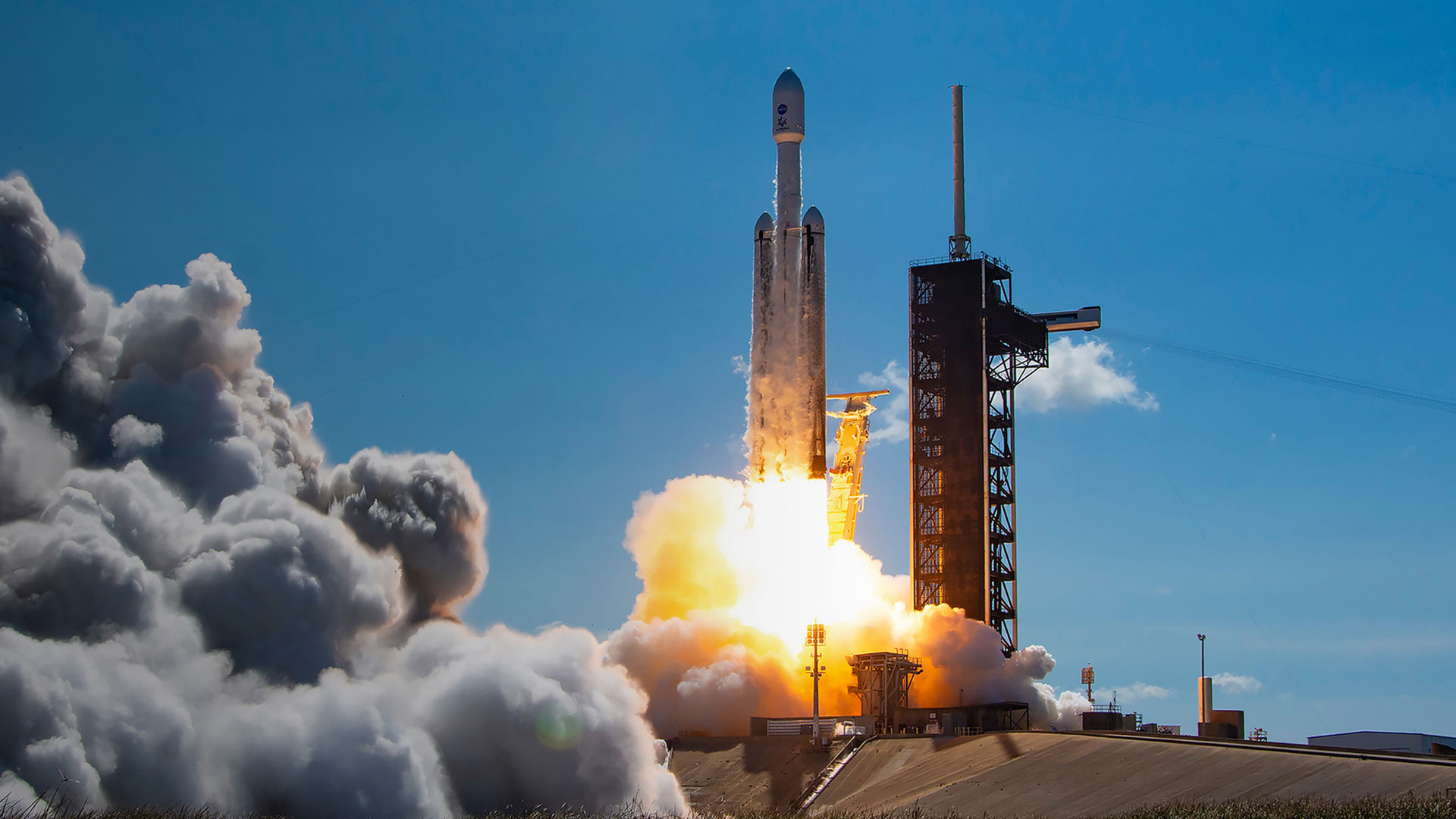
Many companies hope SpaceX's Starship rocket will ease this shortage. However, Starship is still in testing—the company expects its twelfth test flight this weekend. Even once operational, commercial availability may take years because SpaceX prioritizes its own satellite business. Blue Origin's New Glenn rocket, another potential solution, has struggled in testing. In April, it failed to deliver a satellite during its third launch attempt.
This leaves most space data center projects aiming for the mid-2030s, like Google's Suncatcher initiative. Others, such as Starcloud, plan to start with smaller edge processing tasks for space sensors while waiting for adequate launch capacity.
Cowboy Space Corporation is pursuing an unusual path: building its own rockets. "We're standing up our own rocket program," CEO and founder Baiju Bhatt told TechCrunch. He expects the first launch before the end of 2028. The company announced today that it has closed a Series B funding round of $275 million at a post-money valuation of $2 billion. Index Ventures led the round, with participation from Breakthrough Energy Ventures, Construct Capital, IVP, and SAIC.
Bhatt co-founded the online stock trading platform Robinhood. He launched this startup in 2024 as Aetherflux, initially planning to collect solar energy in space and beam it to Earth. The company later pivoted toward space data centers, using electricity generated in orbit to power computing equipment. That practical shift eventually led the company to pursue rocket development and adopt its new name.
Bhatt explained that he approached multiple rocket providers seeking a path forward for his data center business. He could not find sufficient launch capacity to scale an orbital data center operation competitively against ground-based alternatives. "There's a lot of new rockets that are coming online, but as we look three, four years out, it's still very, very scarce, and I think that you're going to see a lot of the first party rocket providers actually specialize into their own payloads," he said.
Building rockets in-house is an ambitious undertaking. In the Western world, only a handful of private companies—primarily SpaceX, Rocket Lab, and Arianespace—consistently launch commercial rockets. Blue Origin and United Launch Alliance have spent years developing their vehicles with limited success. Several startups, including Stoke Space, Firefly Aerospace, and Relativity Space, have pursued rocket programs for years without achieving operational flight.
Cowboy Space will now compete directly with SpaceX and Blue Origin, the most advanced and well-funded rocket providers. Bhatt remains confident about market potential. "The prize here, and the size of this market, is big enough that there's room for many players to succeed," he said. "I see the demand for AI getting more and more acute, and I see the options on Earth getting more and more limited."
The company's strategy includes a distinctive design advantage. Most orbital rockets use a booster stage to reach the edge of space, then a separate stage that carries the payload into orbit. Cowboy Space plans to integrate its data centers directly into the rocket's second stage. This approach echoes history: the first U.S. satellite, Explorer 1, functioned as the final rocket stage, equipped with radio equipment and scientific instruments.
Building rockets specifically for data center payloads should streamline the design. Each satellite will weigh between 20,000 and 25,000 kilograms and generate 1 megawatt of power for approximately 800 onboard graphics processing units (GPUs). The resulting rocket will be slightly more powerful than SpaceX's Falcon 9 but smaller than the Starship currently in development. Bhatt anticipates the booster will eventually become reusable.
Cowboy Space has hired experienced space industry veterans. Warren Lamont, a former Blue Origin propulsion engineer, and Tyler Grinne, a former SpaceX launch director, have joined the team. The company also plans to develop its own rocket engine—the most technically challenging and expensive component of any launch vehicle. The startup is still securing key facilities for testing, manufacturing, and launching its rockets.
The rebranding reflects the company's expanded mission to "power humanity from the high frontier." Bhatt acknowledged the name change with lighter sentiment, saying "it gives me a reason to wear a cowboy hat and also grow this sick mustache."
Reporting incorporates material from a third-party source. Original